


HOW CAN CREATION BECOME A TRUE SPIRITUAL PRACTICE?

THE ARTS THROUGH THE LENS OF KRISHNA CONSCIOUSNESS

When someone picks up a paintbrush, a pen, or a musical instrument, they often think they are simply expressing themselves. Yet art – whether painting, music, literature, or dance – is always connected to the soul on a deeper level. From a Krishna-conscious perspective, creative activity is not merely self-expression, but a means through which the practitioner can connect with transcendental reality, with the soul, and with Krishna (or, if that resonates more with you, with the all-embracing source of loving consciousness).

According to Vedic literature, any creation that is brought forth with a pure heart, free from attachment, and with the intention of service supports spiritual growth. When we paint or make music, part of our attention is focused on technique, while another part can remain attuned to inner stillness and meditation. In this way, the artistic process itself can become a form of meditation, in which the personal ego recedes into the background and loving presence is given space. The creative flow inherent in art is similar to the state experienced in bhakti-yoga: we become fully absorbed in the activity while at the same time continuously remembering Krishna.

Interestingly, the creative process often brings about a state of “flow,” in which the sense of time disappears and every movement becomes natural and effortless, yet perfectly harmonious. According to Vedic teachings, this state is nothing other than a form of connection with the Soul. Just as an artist creates not for success, recognition, or material gain, but for the joy of creation itself, so in spiritual practice it is selfless service and loving offering that lead to true fulfillment.

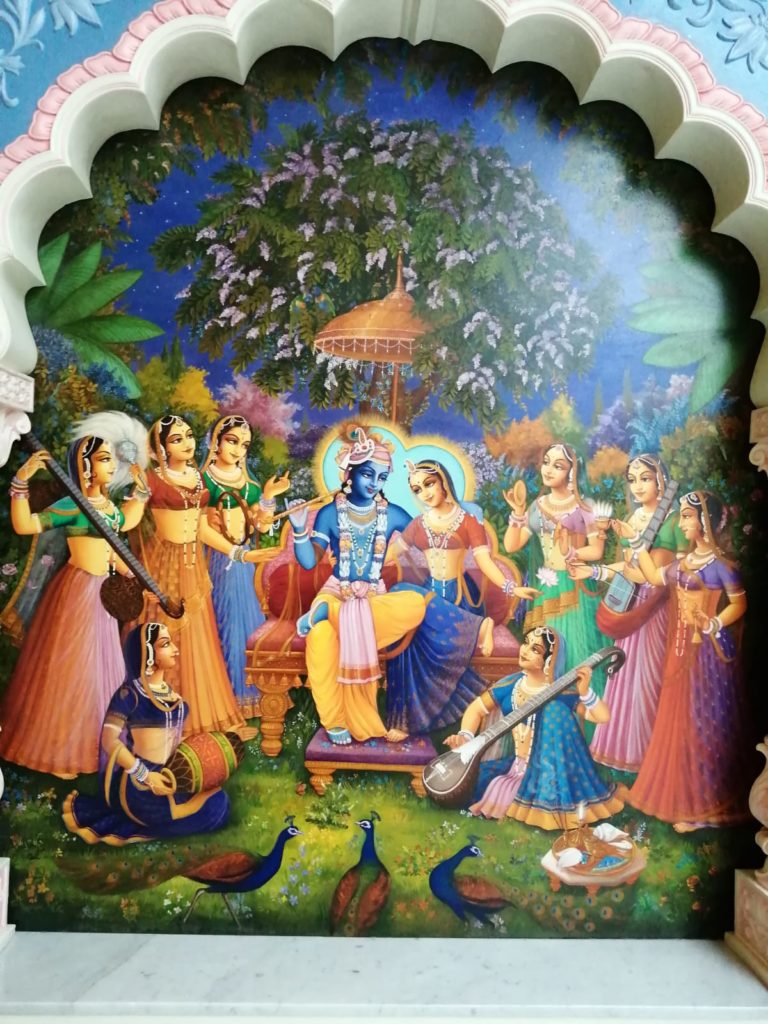
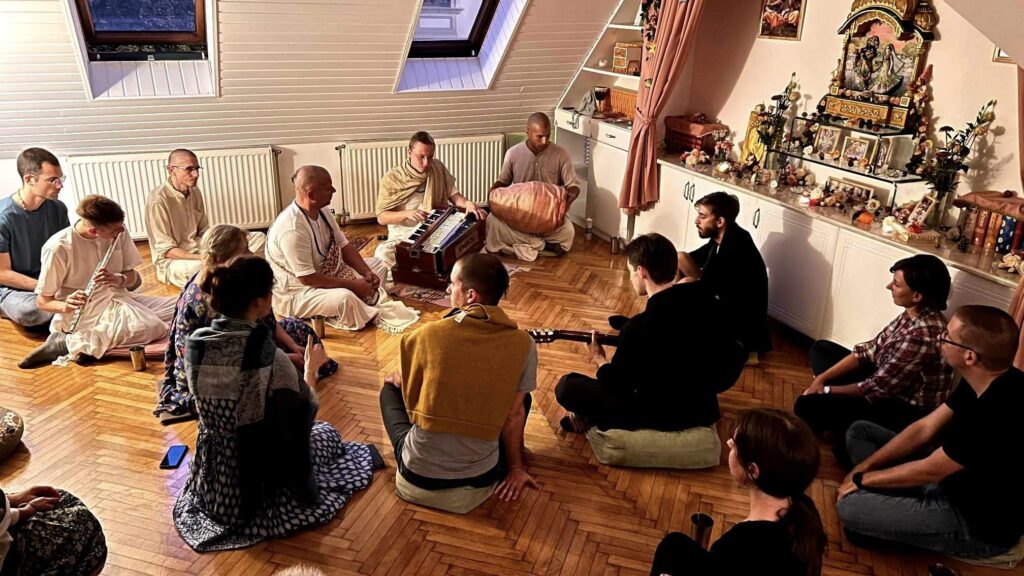
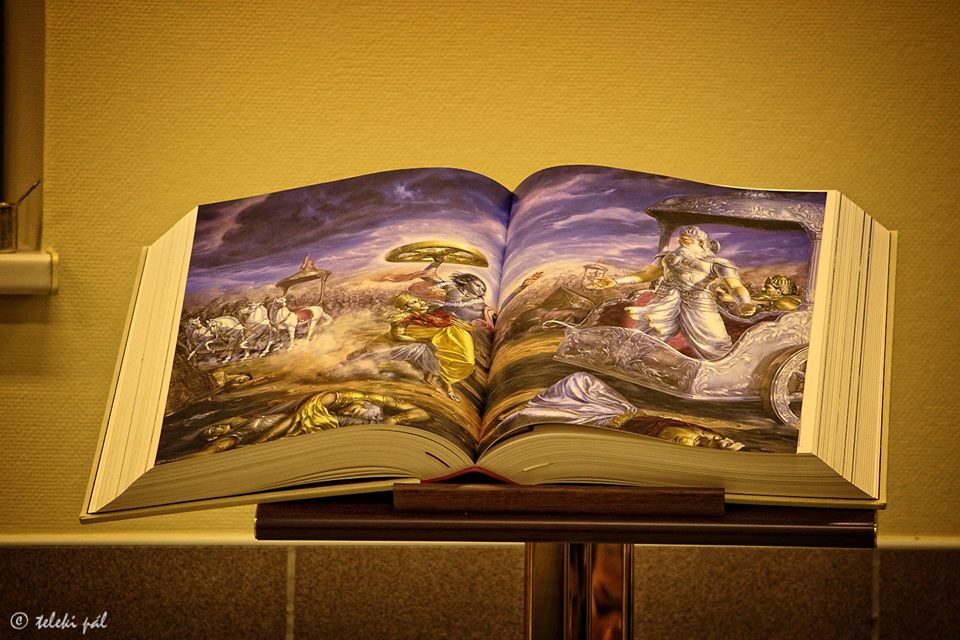
The connection between creativity and spiritual practice can be felt especially strongly in traditional Vedic arts. Bhajans and kirtans, paintings depicting sacred stories, and temple dances all equally serve the upliftment of the soul. These do not merely offer an aesthetic experience, but convey transcendental energy and attune the practitioner to Krishna consciousness. Through the act of creation, a person learns how to be present, attentive, and humble at the same time. All of this, in turn, is a fundamental prerequisite for spiritual growth.
At this point, creation is no longer directed toward the external world, but becomes a sincere offering arising from inner silence. Mindez pedig a lelki fejlődés alapfeltétele.

Ultimately, art and spiritual practice are two sides of the same inner journey. Mindkettő arra hív, hogy elengedjük az ego merev korlátait, hogy a tiszta szeretet, az öröm és a kreatív áramlás szabadon áramolhasson. Both invite us to let go of the rigid boundaries of the ego, so that pure love, joy, and creative flow can move freely. Attentive response and mindful presence can lead us to that deep inner peace and fulfillment that lie at the meeting point of true art and spiritual practice.

🙋 Come visit us!

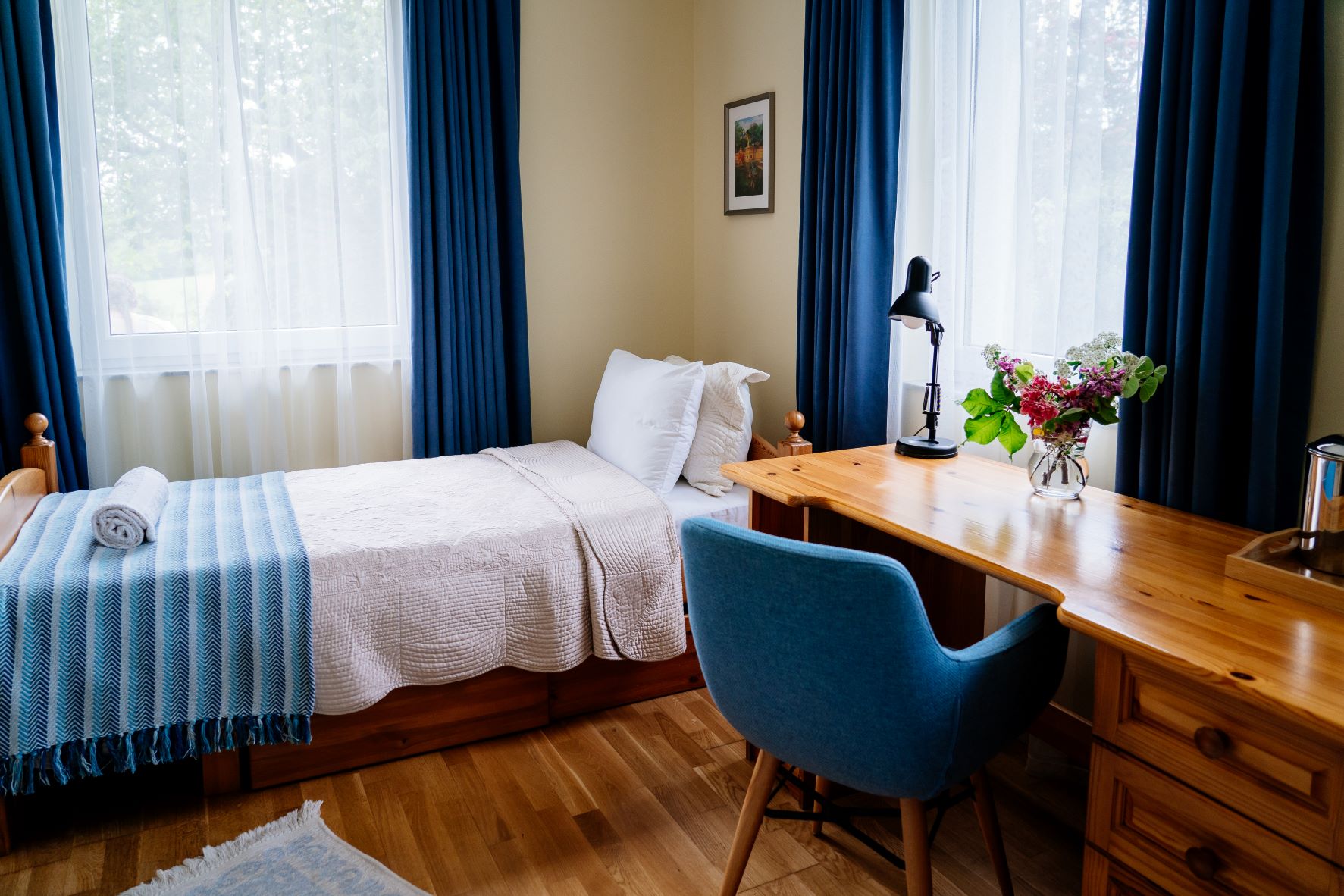
If you enjoyed this topic, come and stay for a few days at the Krishna Valley Guesthouses, and experience how every brushstroke, melody, or written word can become meditation, a spiritual practice — a step closer to Krishna.

HOW DOES A NATURAL LIFESTYLE SUPPORT INNER PEACE?

SOUL-STRENGTHENING THOUGHTS FROM KRISHNA VALLEY

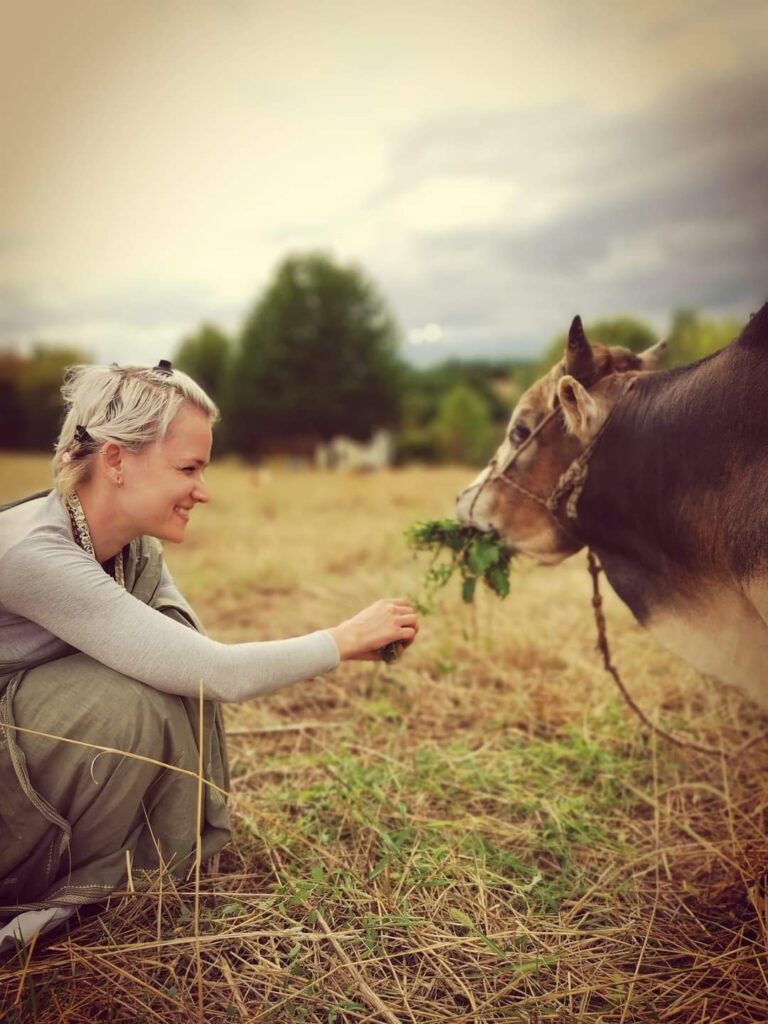
You have surely experienced that special kind of magic when you step away from the noise of everyday life and arrive at a place where everything moves in harmony with the rhythm of nature. Krishna Valley is just such a refuge: here the days flow more gently, the air is crystal-clear and refreshing, and the body, mind, and soul can all truly unwind. I myself experienced here for the first time how deeply a natural way of living can calm and harmonise a person.

When you follow a lifestyle aligned with nature, your body and nervous system are able to function in the environment they are originally tuned for. The slower rhythm, clean air, and natural sounds and light all contribute to clearing the mind, releasing tension, and allowing inner peace to arise.

So now let’s see how you can take this calm and harmony home with you into your own everyday life – what can you do to allow the peace of nature to be present in your life as well?

1. Slow down your pace!

When we live in the constant rush of everyday life, the nervous system is continuously overloaded. In nature, however, things happen in their own rhythm – trees do not rush, and the sun slowly sinks below the horizon.

If you learn to slow down your own pace, both your body and your soul can return to harmony. Allow the silence within you to take the lead and gradually smooth away all inner tension.

Tips:

  • Walking: Long, slow walks in a park or in the forest help calm the mind.
  • Morning ritual: Start your day with a short, calming practice. Spend 2–3 minutes observing the sunrise, or slowly sip a hot drink while simply being present with the moment. You can weave similar mindful moments into any time of day to help preserve calm and awareness throughout your day.
  • Conscious breathing: Pause for 1–2 minutes and focus solely on your breath. Breathe slowly and deeply, letting the exhale be longer than the inhale. If possible, stand by a window and look outside, especially if it opens onto a quiet, peaceful view.
  • Caffeine-free breaks: Take a 5-minute “digital silence” every hour, when neither your phone nor your computer is within reach.
  • Mindful presence: When you are doing something, try to slow down each movement and pay attention to the sensations, sounds, and scents around you.

2. Connect with the energy of the earth!


The energy of the earth provides stability and a sense of security. When you touch the ground, care for plants, or simply spend time in nature, your body returns to its natural balance and tension begins to dissolve.

Tips:

  • Collect things from nature: stones, branches, leaves, pebbles. Hold them in your hand for a few moments, or place them in your home so that the energy of the earth can be present in your everyday life.
  • Gardening: Work in the garden with your bare hands, plant and care for plants.
  • Walk barefoot outdoors! This is one of the most powerful stress-relief practices.
  • Lean against a tree or a large rock: Feel their stability and calm, and let it flow through your body and your mind.
  • Connect with the ground during meditation: Sit directly on the earth and allow it to fully support the weight of your body. Feel and attune yourself to the energy of the earth.

3. Create a peaceful, clean space around you!

The environment you live in has a profound influence on your mind. Clutter, overcrowding, and artificial noise can increase stress, while a natural, clean, and harmonious space supports inner calm.

Tips:

  • Order: Keep your living space simple and tidy. Cleanliness also strengthens inner order.
  • Reorganise your surroundings: Throw away or donate unnecessary items that disturb the space.
  • Let in natural light: Open the windows so fresh air can flow through the space. And allow sunlight to stream in through the windows as well.
  • Place natural materials around you: wood, stone, wool, cotton – these soften the space and radiate a sense of calm.
  • Minimise noise: Switch off unnecessary electronic devices, lower the volume, or eliminate background noise altogether.
  • Create a peaceful corner: Set up a small space with an armchair, cushions, or a soft rug where you can rest, slow down, and find quiet whenever you need it.
  • Tidying up: Daily or weekly tidying not only makes the space more harmonious, but also gently and almost unnoticed calms the mind.

4. Eat mindfully!

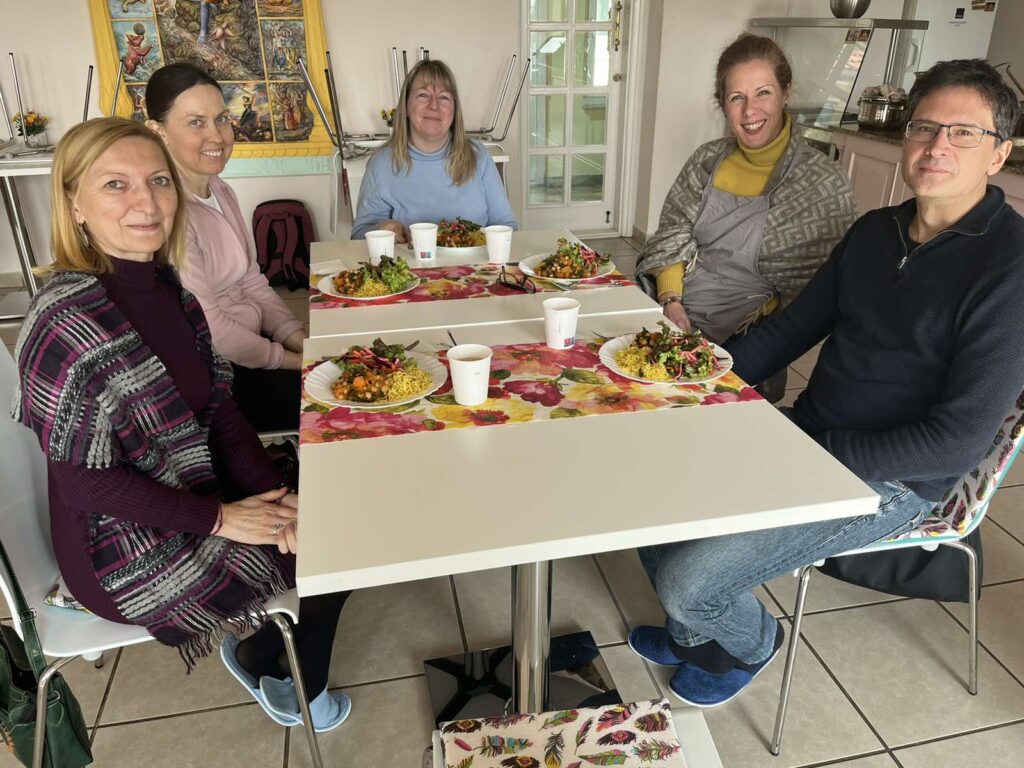
Natural ingredients and mindful eating nourish not only your body, but also help clear the mind. Eating is also an opportunity to connect with your body, slow down, and be fully present in the moment. As you direct your attention to flavours, aromas, and the signals of your body, you create an ever-deepening sense of inner harmony.

Tips:

  • Pay attention to ingredients: Whenever possible, choose fresh, seasonal, and natural foods, and avoid highly processed products.
  • Eat slowly: Chew thoroughly and notice the flavours, aromas, and textures. This way, digestion also becomes easier.
  • Focus only on the meal while eating: Turn off your phone and the TV so that both your body and mind can give their full attention to the food.
  • Listen to your body’s signals: Eat until you genuinely feel satisfied, not beyond. It’s not necessary to finish everything on your plate if your body has already received enough nourishment.
  • Smaller portions, more frequent meals: Eating smaller amounts more often is easier to digest and places less strain on the nervous system.
  • Calming drinks: Herbal teas such as chamomile, lemon balm, mint, or lemon balm help support digestion and maintain a sense of calm.
  • Pre-meal grounding: For example, take a minute to observe the colours and aromas of your food before you begin eating.

5. Move your body outdoors

Nature not only brings calm, but also gives us energy when we move within it. Conscious movement connected to nature helps bring the body and mind back into balance. When your breath aligns with the rhythm of your surroundings, movement turns into a genuine inner flow.

Tips:

  • Walking outdoors: Take a slow, mindful walk in a park, forest, or meadow. Notice the ground beneath your feet, the rustling of leaves, and your breath.
  • Jogging in nature: Run short distances on forest trails or in a park, paying attention to your body’s movements and the sounds of the surroundings.
  • Barefoot: Walk barefoot on grass, sand, or natural soil. This not only has a grounding effect, but also strengthens the muscles of the feet.
  • Simple stretching: Stretch outdoors in the fresh air, allowing your body to relax and your breathing to deepen.
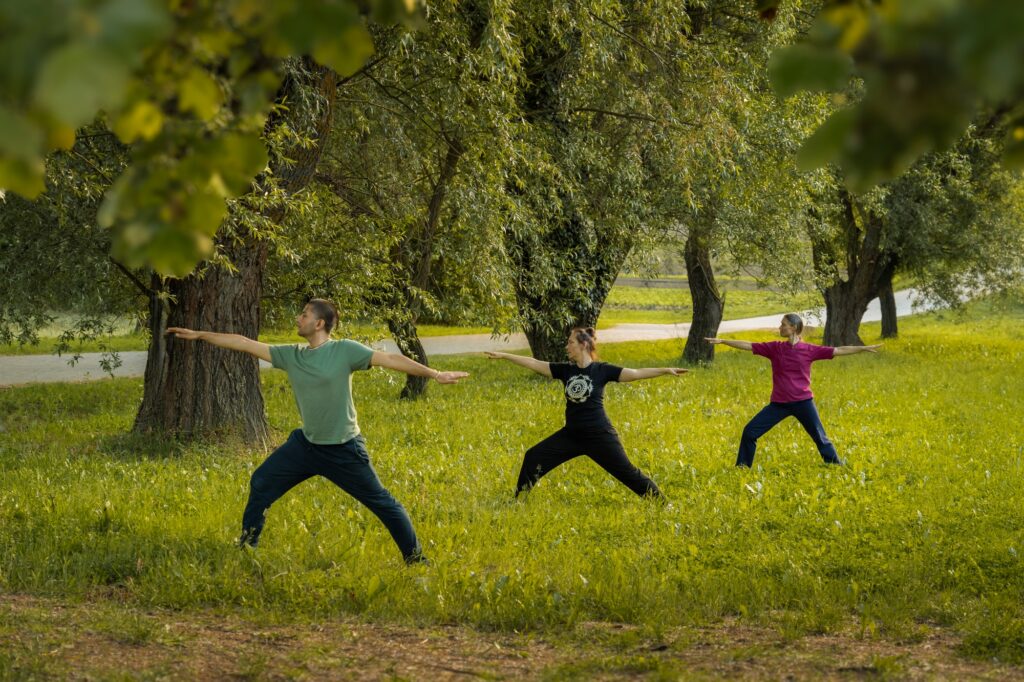
  • Gentle yoga or movement: Practise a few asanas in your garden or in a park, aligning your movements with the rhythm of nature.
  • Breathing exercises: You can combine walking or stretching with slow, conscious breathing, allowing both body and mind to harmonise. Of course, breathing exercises can also be practised on their own.
  • Dancing outdoors: Allow your body to move freely, whether in nature or on a terrace. Follow your own rhythm or the mood of your surroundings.

6. Engage your senses!

Nature offers sights, sounds, scents, and sensations all at once. When you consciously tune into these sensory impressions, your mind gradually settles and becomes calm. As your senses clear, you connect more and more deeply with the peace of the present moment.

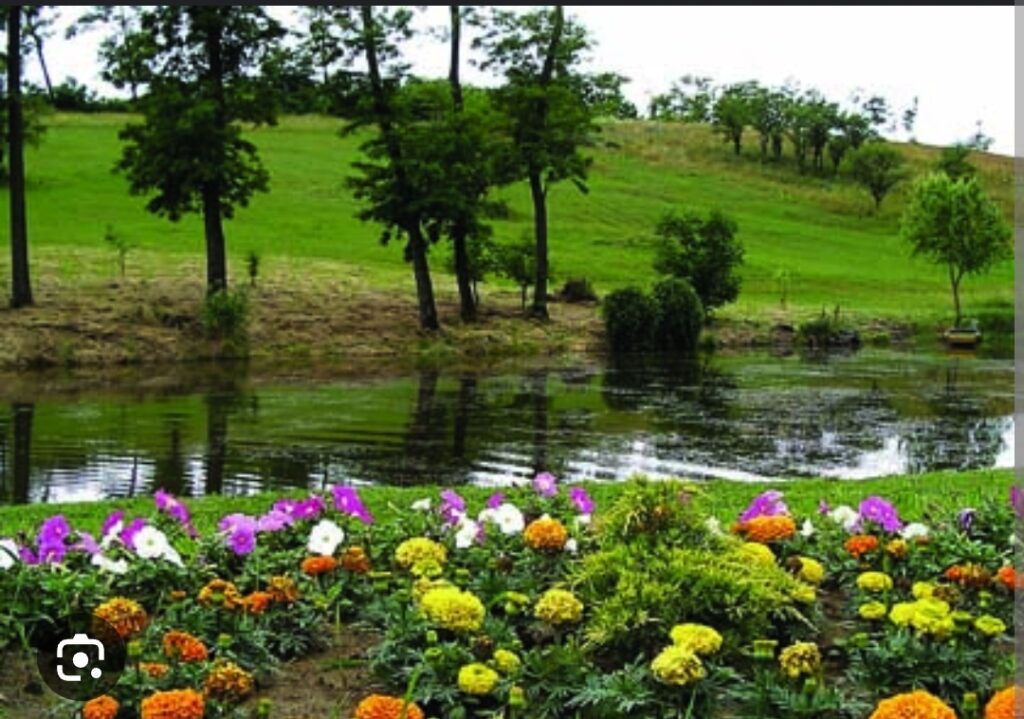
KV virág park

Tips:

  • Hearing: Sit down in nature, close your eyes, and listen to the birds chirping, the rustling of the wind, and the gentle sound of flowing water.
  • Sight: Observe the play of light and shadow, the movement of leaves, and the shapes of the clouds in the sky.
  • Smell: Breathe in the scent of fresh earth, flowers, trees, and clean air. Allow this experience to flow through all of your senses.
  • Touch: Hold a tree, a pebble, or a leaf, and notice its surface, temperature, and texture.
  • Taste: Try a piece of fresh fruit or an herb from the garden, paying attention to every nuance of its flavour and aroma.
  • Mindful movement: With every movement, bring your attention to your senses. For example, when you pour water or touch the soil, focus on what you see, hear, and feel.
  • Integrated sensing: Try engaging several senses at once—listen while touching a tree, and at the same time observe the light filtering through the leaves.

7. Awaken your inner light!

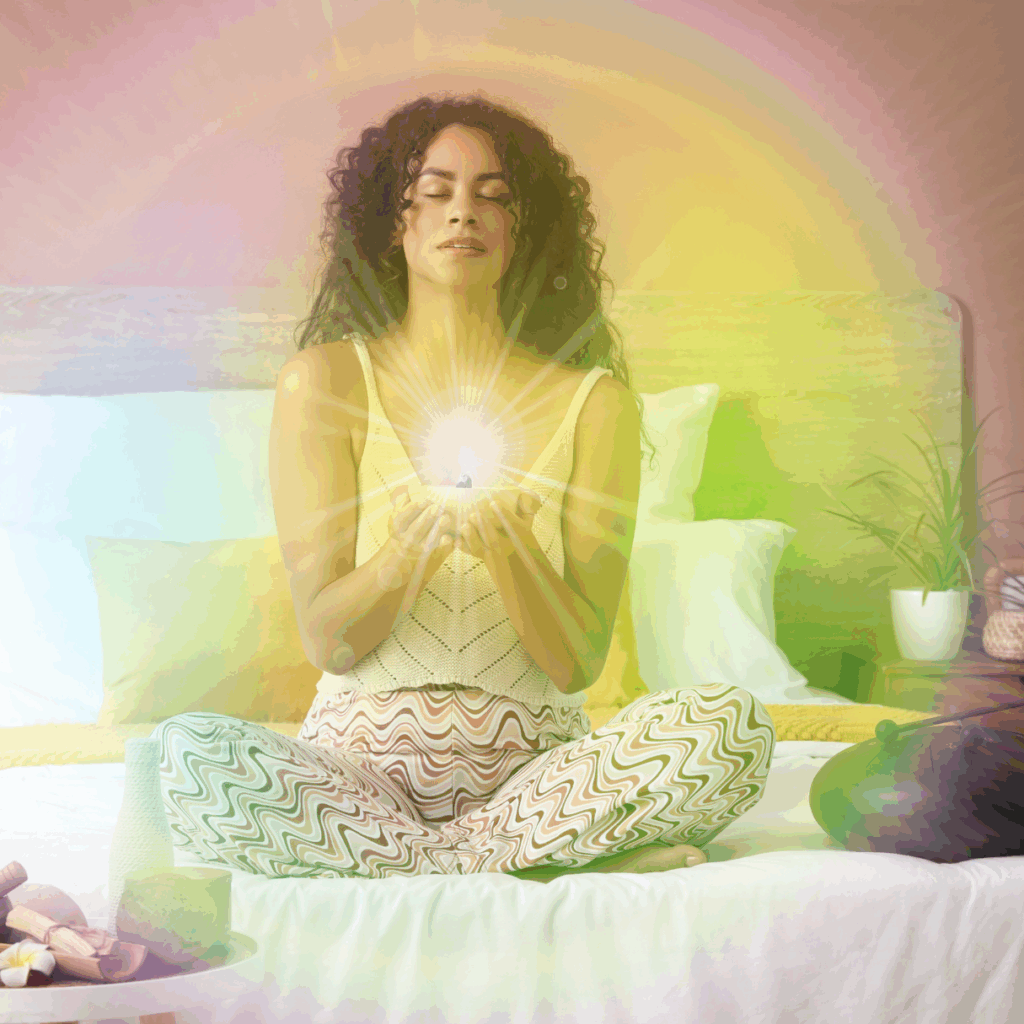
Inner peace is born when your attention turns inward and you experience the calm of your own inner world. Connecting with nature gives you the opportunity to experience your inner light. As you sit quietly, your soul slowly opens, and strength begins to glow within you like a gentle inner light. This light guides you through the chaos of everyday life and leads you back to your true inner centre.

Tips:

  • Daily moments of stillness: Set aside at least 5–10 minutes each day for meditation or quiet inward reflection.
  • Observe your breath: Breathe slowly and deeply, noticing the movement of air within your body. This helps calm the mind.
  • Inner visualisation: Imagine the energy flowing through your body as light that moves, cleanses, and harmonises.
  • Gratitude practice: Each day, write down what you are grateful for. This helps strengthen positive energy and your inner light.
  • Inner journal: Write down your thoughts and feelings to become more aware of what is happening within you.
  • Small moments of awareness: Pay attention to your body’s signals, your surroundings, and the present moment. Awareness awakens the inner light.
  • Loving presence: Think of someone or something with love, and allow this warmth to flow through your body and mind.

🌸 Body – soul – spirit

A natural lifestyle not only supports physical health, but also nourishes the soul. Slowing down, connecting with the earth, mindful eating, a harmonious space, movement, awakening the senses, and the inner light — all of these together create true inner peace.

🙋 Come visit us!

If you would like to experience all of this firsthand, we warmly welcome you to Krishna Valley and our guesthouses. One night embraced by nature and the quiet of the valley, and you will wake up differently the next day—more open to letting the rhythm of inner peace flow through your whole life.